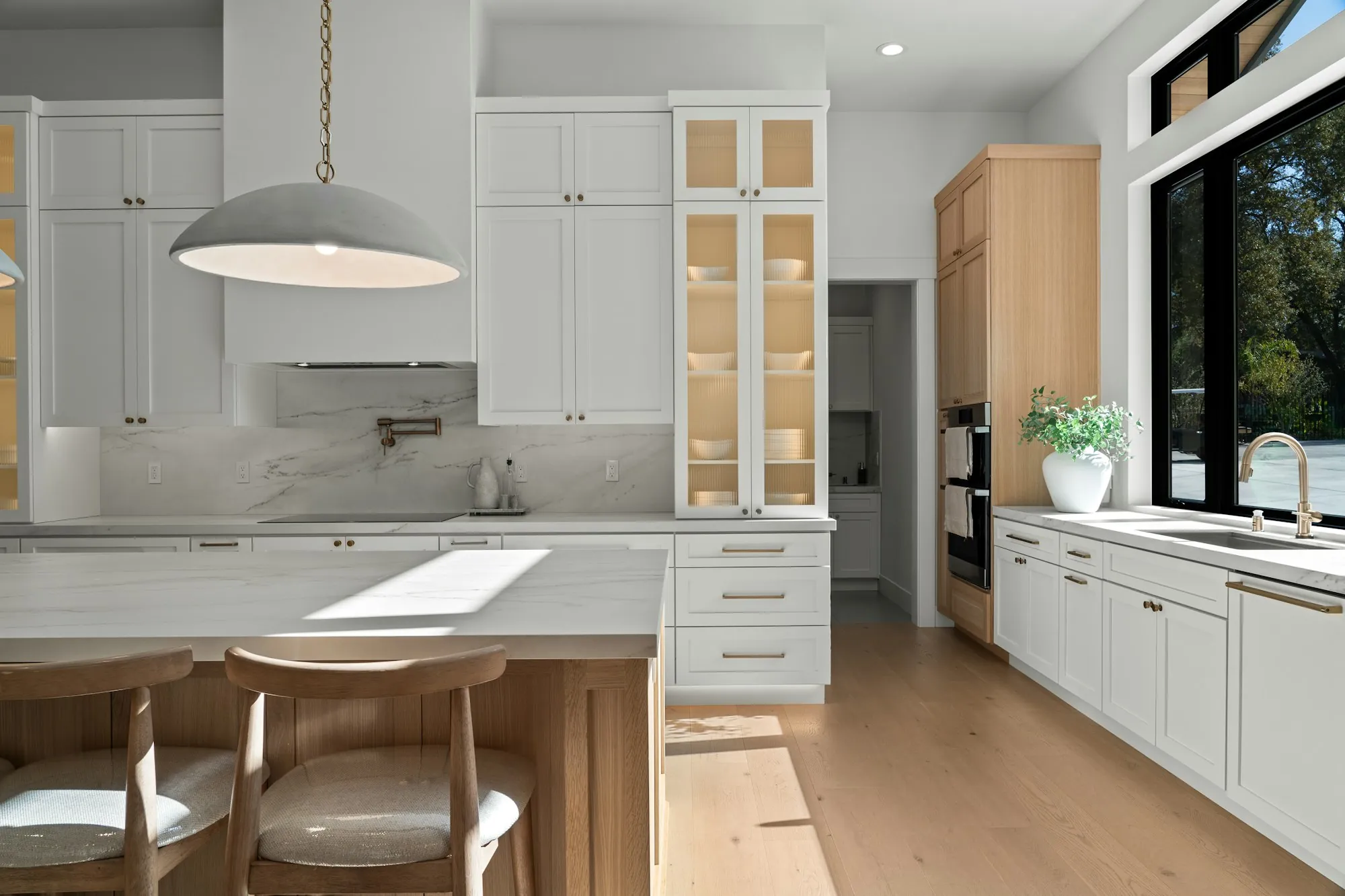
Remodel Your Duluth Home With One Team on One Contract
Whole-home renovations and basement finishing in Duluth, Suwanee, Johns Creek and Norcross, with framing, tile, paint and every other trade hired and run by one team under one contract.
One call to (000) 000-0000 covers every room on your listChoose a project to start
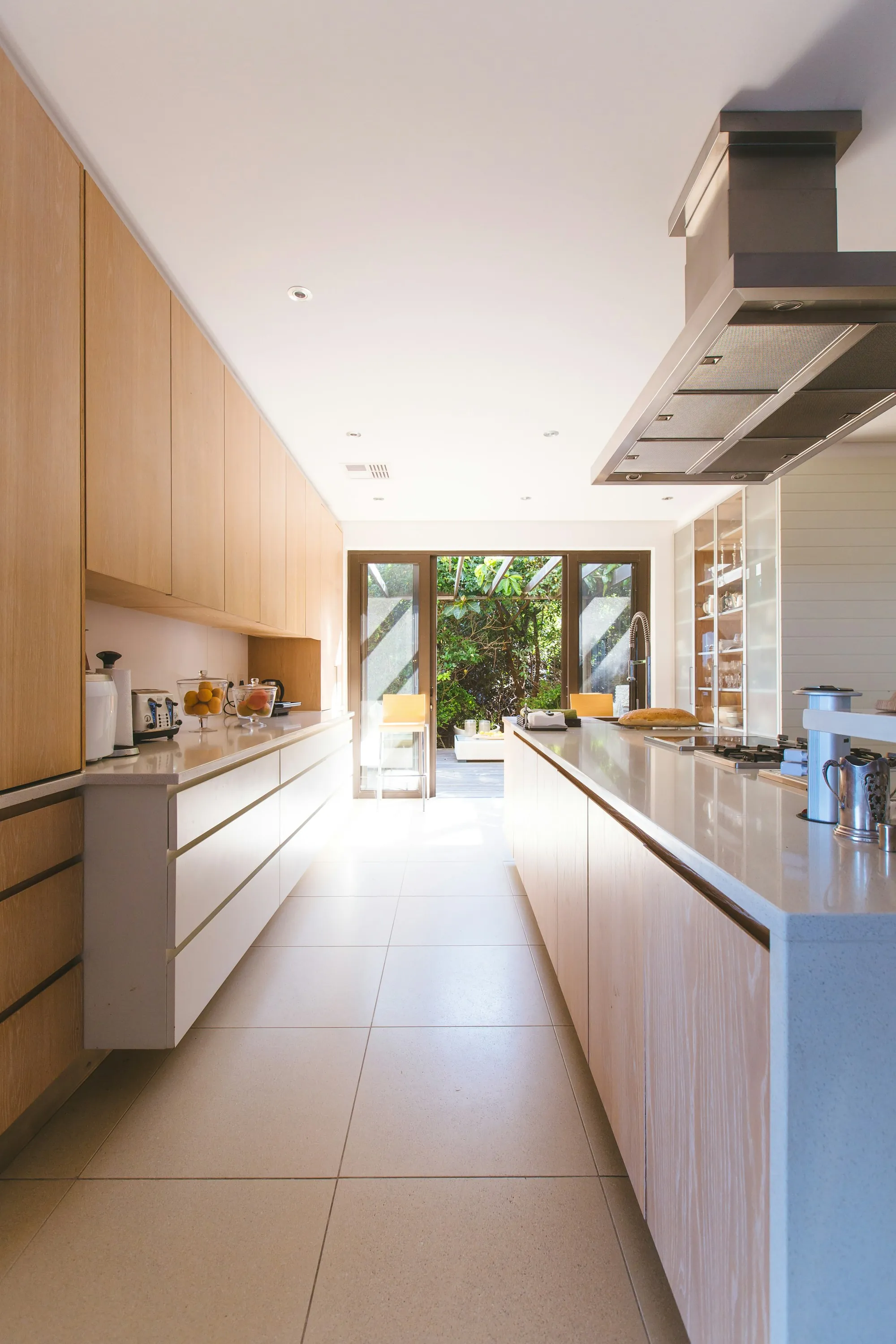
Built Into Every Contract
-
One signature, every trade
Framing, drywall, tile and paint sit inside one agreement instead of four separate hires.
-
Costs broken out
The written estimate splits labor and materials task by task, so the total makes sense.
-
Extras approved by you
If you add something or a wall hides a problem, you approve the written price before work continues.
-
Paths covered
Floor sheeting and zip-up dust walls go in before tear-out, and the site is picked up daily.
What One Team Takes On
Whole-house renovations and basement finishing fill most of our calendar, with kitchens and baths close behind. Additions, ADUs and painting are handled the same way: one team, one contract.
-
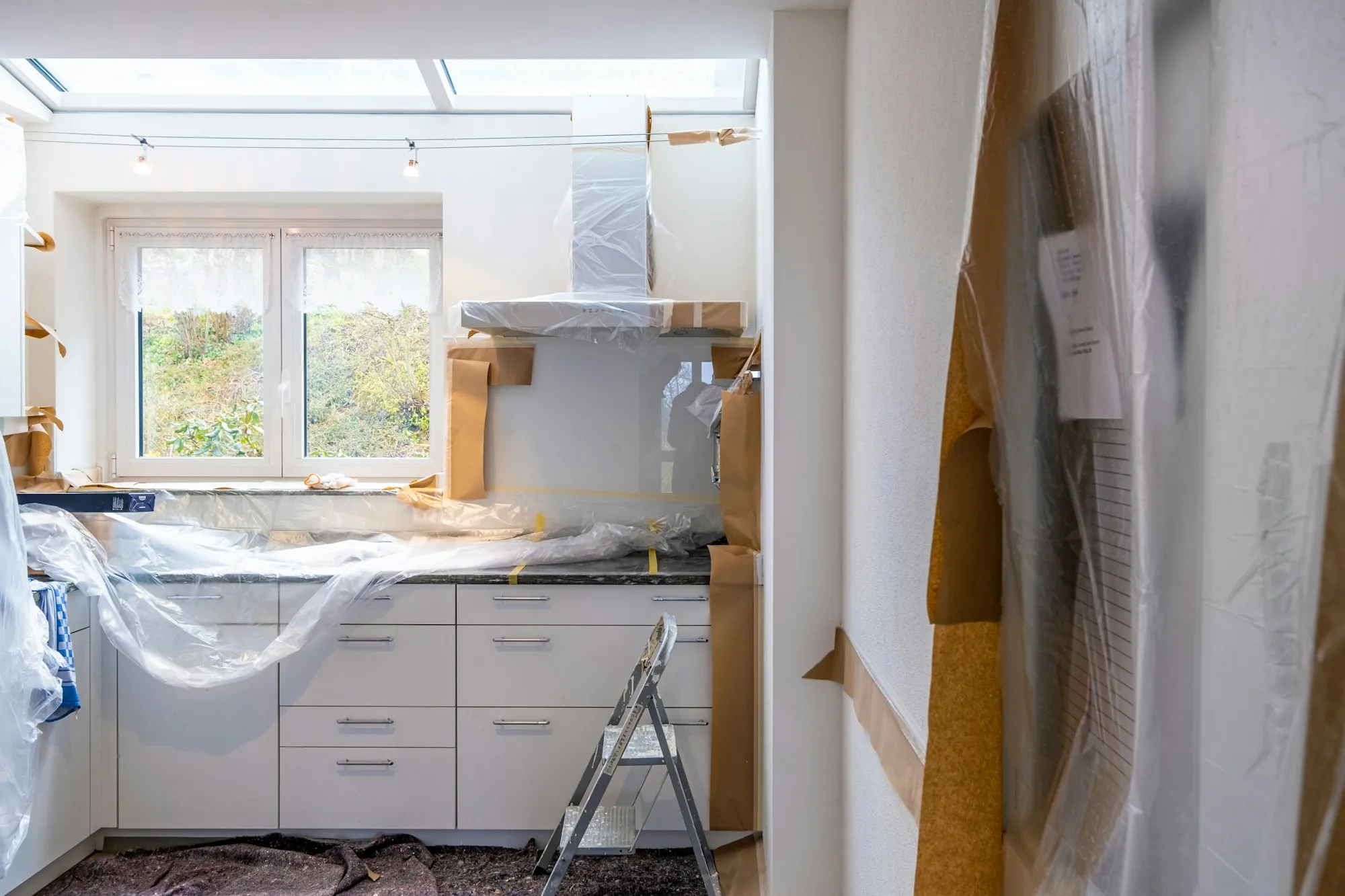
Whole-Home Renovations
Several rooms or the entire house reworked under one contract, with every trade booked in sequence so the job keeps moving.
-
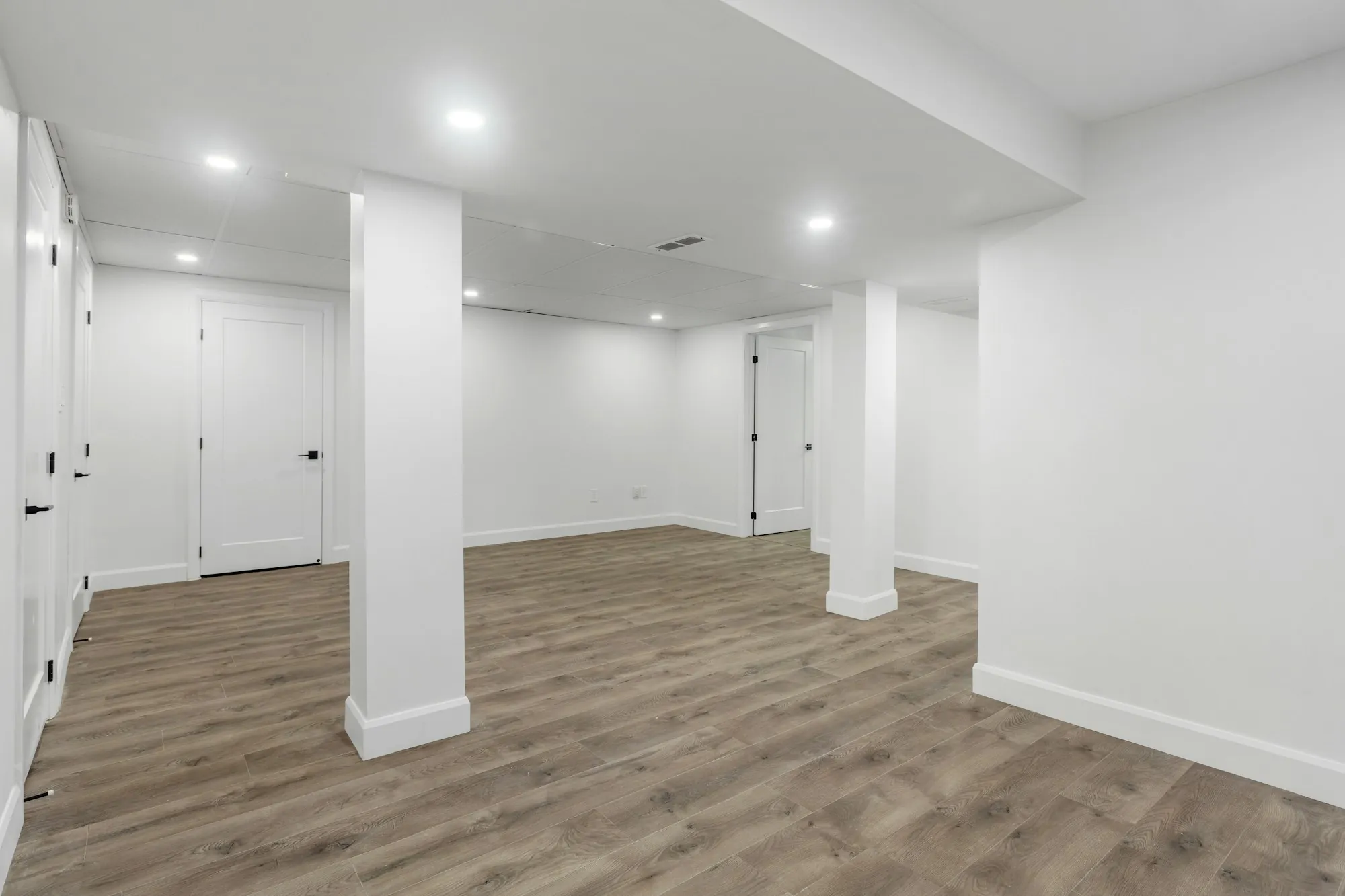
Basement Finishing & Remodeling
A bare or dated basement turned into a family room, office or guest bedroom, checked for moisture before any framing goes up.
-
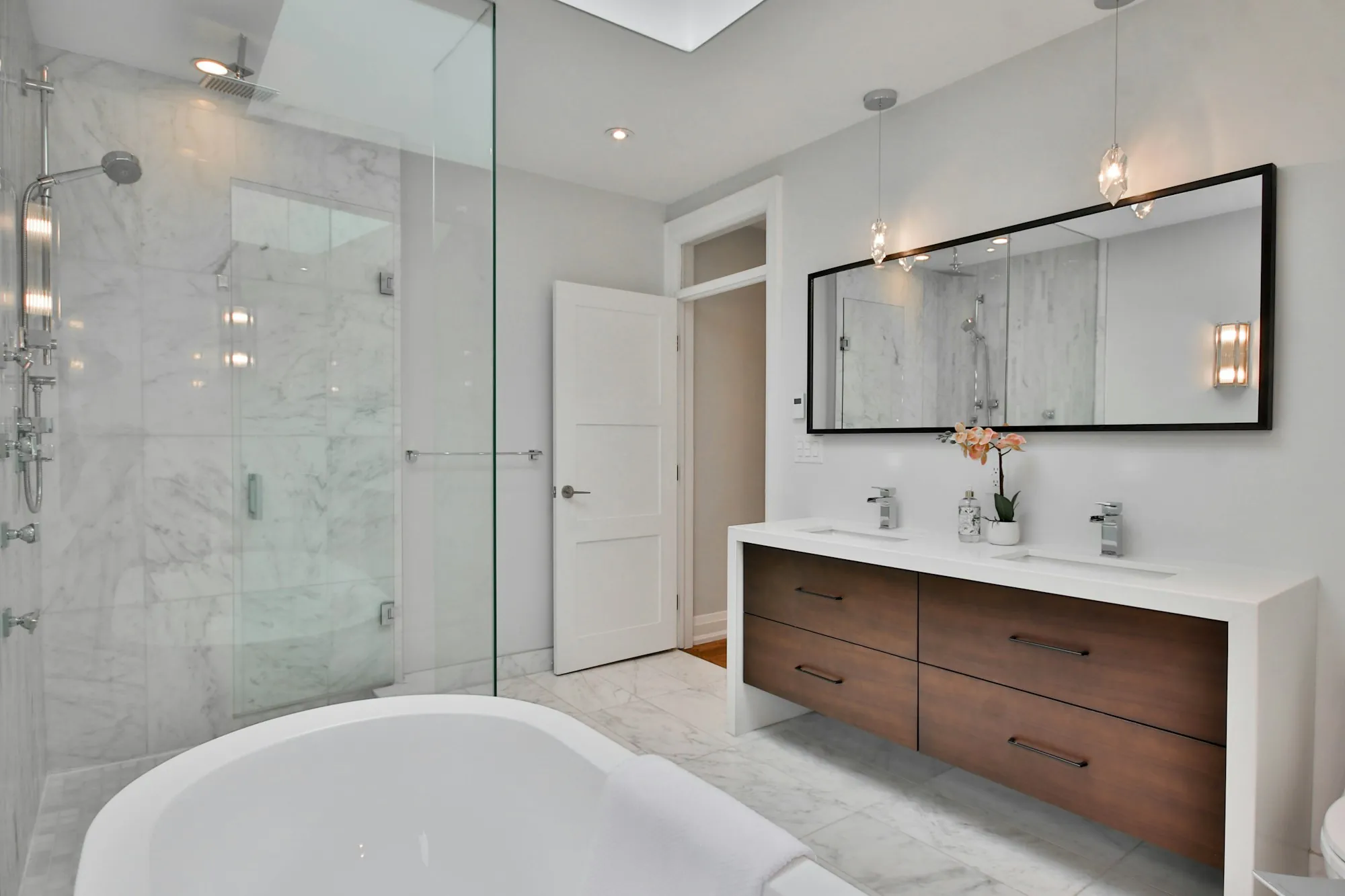
Bathroom Remodeling
Walk-in showers, tub swaps, tile and vanities, with waterproofing, drains and wiring done in the order a bathroom needs.
-
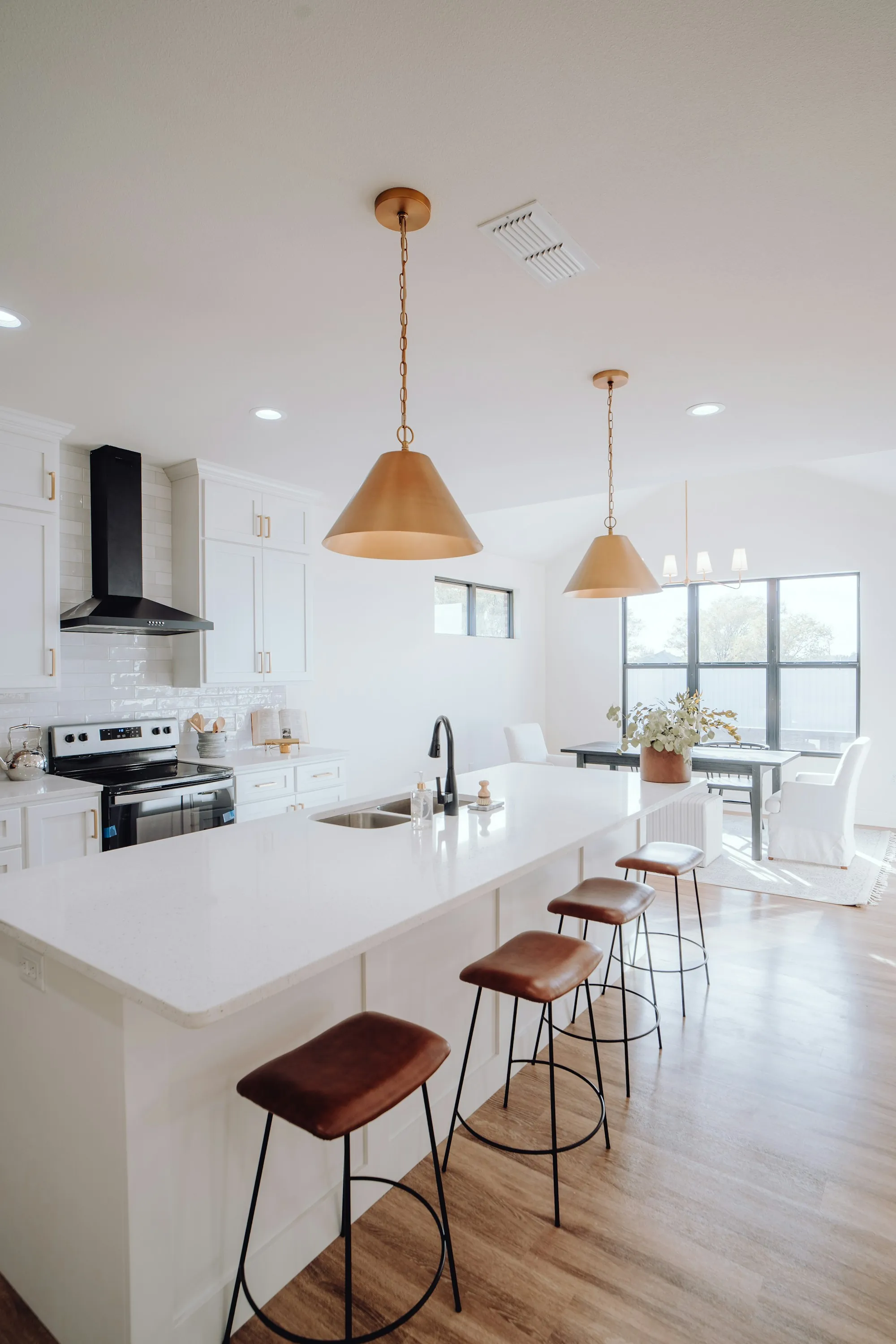
Kitchen Remodeling
New cabinets and counters or a rebuilt layout with an island, with cabinetry, plumbing, wiring and finishes coordinated as one job.
-

Interior & Exterior Painting
Walls, ceilings, trim and cabinets inside, or the outside of the house, painted after proper prep with floors and furniture covered.
-
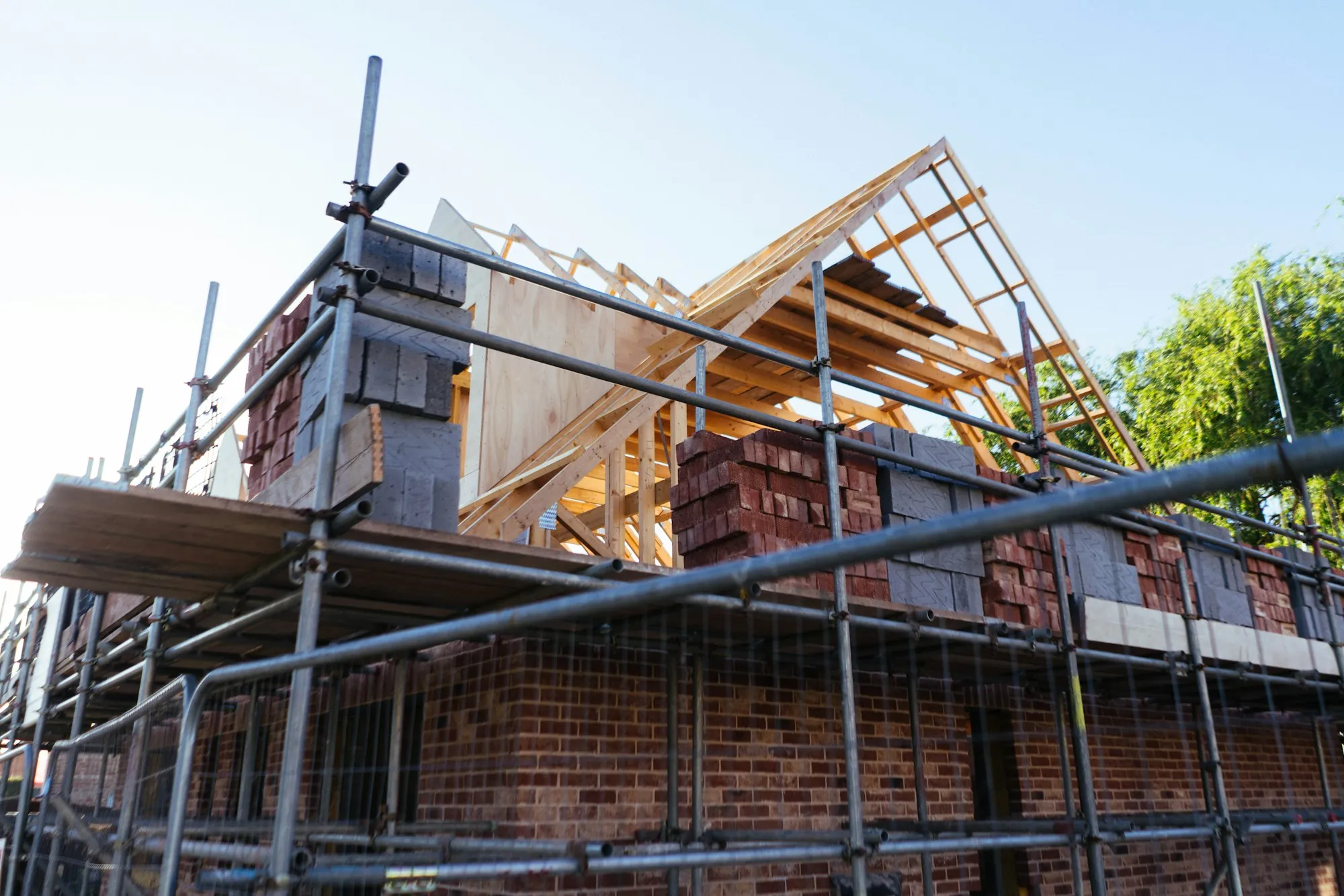
Home Additions
More square footage for a growing household, from new footings and framing to the last coat of paint, all on one contract.
-
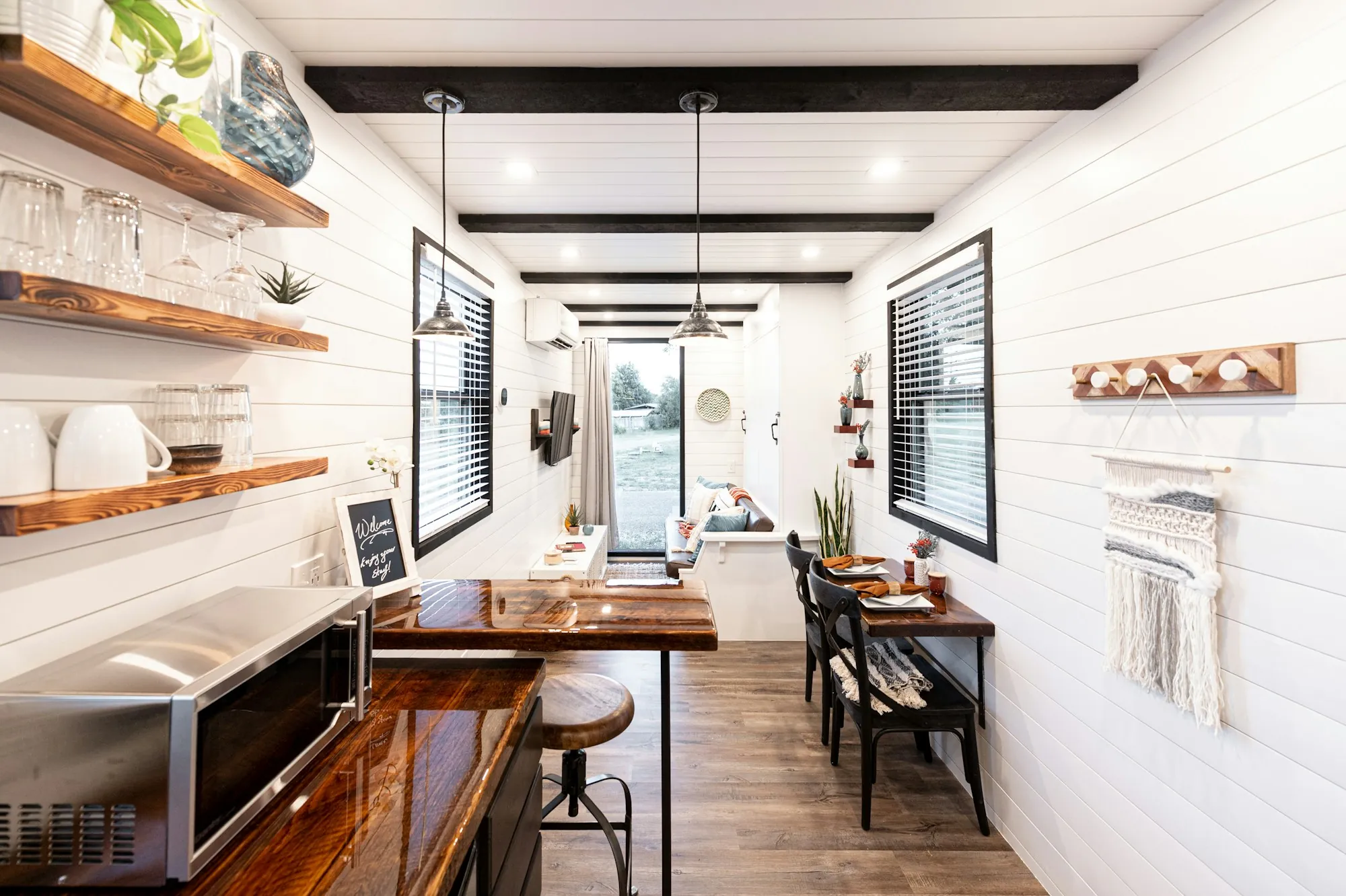
ADU Construction
A detached cottage, attached suite or garage conversion with its own entrance, kitchen and bath, built once zoning on your lot is confirmed.
Why One Contract Works Better
When every trade answers to a different boss, the homeowner ends up running the job. These four habits keep that work off your plate.
-
A Price Broken Out by Task
Before work begins you get a written estimate that splits the scope into tasks, with materials and labor priced beside each. You can see what demolition costs next to tile, then cut or add before signing.
-
Every Trade on the Same Contract
Framing, drywall, tile, paint and whatever plumbing and wiring the new layout requires are coordinated under one contract with us, inspections and finish work included. You never line up, schedule or chase separate crews.
-
A Change Order for Every Extra
Rot behind a tub and an extra outlet you decide you want are handled the same way: a written change order with the cost spelled out, and no work on it until you have signed.
-
Floors Covered, Dust Walled Off
Before demolition, protective sheeting goes over the floors along the crew's route and zip-up dust walls close off the work area. Debris leaves and the site is swept before the crew goes home.
From the First Call to the Last Trade Out
Four stages, and the same team carries the job through all of them.
-
Start on the Phone
Give us the outline: which rooms, what is wrong with them now and the result you are after. We will ask how old the house is and when you want to start, then explain which trades the job would involve.
-
Visit and Measure
If it is a fit, we come out to measure and look for anything that could change the scope: a wall that carries weight, a soft subfloor, damp spots on basement concrete.
-
Sign One Scope
You receive the itemized estimate and a written schedule showing the order the trades work in. Ask about any line, adjust it, then sign a single contract for the whole job.
-
Build in Sequence
Demolition, framing, rough-ins, inspections, drywall, tile and paint follow the schedule, each trade lined up as the last one finishes. Any change is written and signed before it gets built.
Collecting Separate Bids for Every Trade?
Hiring a carpenter, a tiler and a painter on your own makes you the person who fills the gaps between them. Describe the full project and we will explain how one team would run it.
(000) 000-0000 — see how one contract would cover itOur Working Map
We take projects in Duluth and in Suwanee, Lawrenceville, Johns Creek, Norcross and Peachtree Corners. Keeping the area compact keeps trades arriving in the right order.
Look up your town- Duluth
- Suwanee
- Lawrenceville
- Johns Creek
- Norcross
- Peachtree Corners
Common Questions, Plain Answers
How long will our bathroom be torn up?
Most bathroom remodels take a few weeks of actual work, but the clock should start once the vanity, tile and fixtures have arrived, not before. A shower that moves, a drain that needs rerouting or a glass enclosure measured after tile is set will each add time. Your written schedule shows the days the room is unusable, so you can plan around them.
Who decides what happens when something unexpected turns up?
You do. Old framing damage, a leaking drain or a wiring splice that has to go can appear once surfaces come off. We show you what we found, write up the repair and its cost as a change order, and leave it untouched until you sign. Changes you ask for yourself, such as moving a light or upgrading a faucet, go through the same paperwork.
How is a bathroom remodel priced?
By the pieces of work it involves. Keeping the toilet, tub and sink where they are costs less than moving them, because relocated drains and supply lines add labor. The amount of tile, the type of shower, the vanity and fixtures, and any damage found under the old floor all move the total. Your written estimate lists them separately so you can weigh one against another.
Which projects add the most value to a house?
It depends on why you are remodeling. If you plan to sell within a few years, a tired kitchen or main bath usually matters most to buyers. If you are staying, the value is the space you gain: a finished basement or an extra bedroom you will use every week. Resale returns rise and fall with the market, so treat any promised figure with suspicion.
What does a remodel like ours end up costing?
The total comes from scope, not square footage alone. How many rooms are involved, whether walls or plumbing move, what is hidden behind old surfaces and the finishes you choose all set the number, along with any upgrades the existing house needs to support the new work. Every task and material goes into an itemized estimate, so you see the total built up piece by piece.
Is a bedroom in the basement allowed?
Usually, if the room meets code. A sleeping room needs a way to get out in a fire, typically an egress window or exterior door of the required size, plus adequate headroom and smoke alarms that work. The exact numbers come from your building department. Before framing anything, we look over the slab and foundation walls for moisture, since a damp bedroom is a bad bedroom.
Do we need to move out while you work?
Most families stay. For a kitchen, we help you plan a temporary station with the fridge and a microwave; for a bath, we plan around a second bathroom if the house has one. A whole-house job that opens most rooms at once can be faster and calmer with a short stay elsewhere, and we would point out on the schedule which weeks that covers.
Is the finished work covered by a warranty?
Yes, a one-year warranty on our work. Keep this number with your contract; if anything we built needs attention during that year, call and we will set a time to look at it. Before we close out the job, we also go through every room with you, and anything that needs a touch-up gets fixed first.
Do we have to buy materials through you?
No. Some homeowners enjoy choosing tile, faucets, lighting and hardware themselves; others prefer that we handle purchasing. When you supply items, we tell you quantities, including overage for cuts, and the date each one needs to be on site so no trade sits waiting. The written scope marks every item as yours or ours, so nobody assumes the other one ordered it.

Start With Everything on Your List
The kitchen, the hall bath, the basement you keep meaning to finish: tell us all of it, including the parts you are unsure about. We will sort out which trades are involved, what order they work in and which choices move the cost.
Lay out your full project at (000) 000-0000